Why Winter Treatments Are The Secret To A Summer Body

Sutha Aesthetics • 25 September 2025

❄️ The Summer Body Is Made in Winter — With Exilis Ultra 360


As the seasons shift and we wrap ourselves in cosy layers, it’s easy to forget that summer is just around the corner. But at Sutha Aesthetics, we know that the best summer bodies are sculpted in the colder months and there’s no better way to start than with the Exilis Ultra 360.


What Is Exilis Ultra 360?


Exilis Ultra 360 is a non-invasive body contouring and skin tightening device that uses a powerful combination of radiofrequency and ultrasound energy to:

  • Reduce stubborn fat
  • Tighten loose skin
  • Stimulate collagen production
  • Improve skin texture and tone

It’s suitable for the face and body, and treatments are comfortable, quick, and require no downtime.


Why Winter Is the Perfect Time to Start

Here’s why starting your Exilis journey now sets you up for success:


1. Time to Build Results

Exilis works gradually, with optimal results seen after a course of treatments spaced over several weeks. Starting in autumn or winter means:

  • You’ll be ready by spring
  • Your body has time to respond and regenerate
  • You avoid the rush of last-minute summer prep


2. Less Sun Exposure

Post-treatment skin is more sensitive to UV rays. During winter, you’re naturally covered up and spending less time in direct sunlight—making it the safest time to treat areas like the face, neck, and décolletage.


3. Perfect Pairing With Lifestyle

Cooler months often mean more routine, better sleep, and fewer holidays. This makes it easier to stay consistent with appointments and support your results with healthy habits.


4. Boost Your Confidence Early

Why wait for summer to feel good in your skin? Clients often report feeling firmer, smoother, and more confident after just a few sessions.


Who Is It For?

Exilis Ultra 360 is ideal for:

  • Clients looking to tighten skin after weight loss or pregnancy
  • Those wanting to reduce pockets of fat without surgery
  • Anyone seeking a more sculpted, youthful appearance

It’s safe, effective, and tailored to your unique goals.


Ready to Begin?

At Sutha Aesthetics, we offer bespoke treatment plans using Exilis Ultra 360 at both our Hitchin and King’s Lynn clinics. Whether you're targeting the jawline, abdomen, thighs, or arms, our expert team will guide you every step of the way.


Start now, glow later. Your summer body begins today.
Book Now
by Sutha Aesthetics 2 April 2026
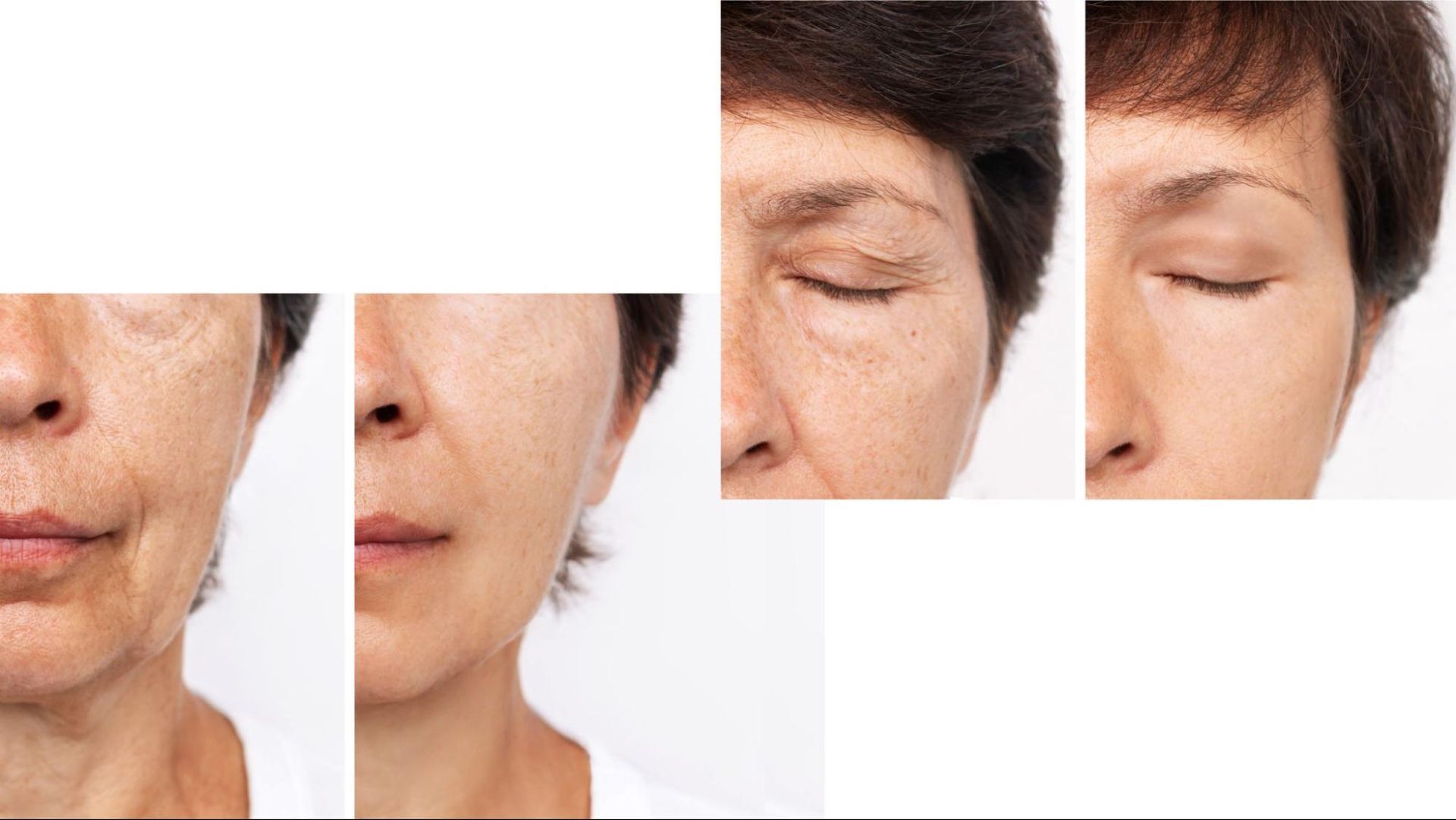
Weight-loss injections like semaglutide, tirzepatide, Mounjaro, and the growing family of GLP-1 medications have genuinely changed lives. If you're on one, the results are likely speaking for themselves: your clothes fit differently, your energy has shifted, and you feel more like yourself again. But here's something that doesn't get talked about nearly enough: what these weight loss injections facial ageing are doing to your face at the same time. This isn't a scare story. It's information you deserve to have because once you understand what's happening beneath the skin, the solution becomes obvious. And the good news is that it's entirely fixable. What Your Weight Loss Injections Are Actually Doing to Your Face GLP-1 medications work by significantly reducing appetite and accelerating fat loss across the whole body. Clinical trials show average weight reductions of 15–17%, which is substantial, and your face feels every percentage point of it. Your face is held in shape by a network of fat compartments: small, distinct pockets of fat sitting in your cheeks, temples, under your eyes, and along your jawline. These fat pads are what give your face its three-dimensional structure, its softness, and the youthful fullness that most of us take for granted until it's gone. When you lose weight rapidly, as most people do on GLP-1 medications, these facial fat compartments deflate. All of them, often at once. This is where facial volume loss after weight loss becomes most visible. The result is a face that can look hollowed, gaunt, or significantly older than it did before the weight loss began, commonly referred to as the Ozempic face. The result is a face that can look hollowed, gaunt, or significantly older than it did before the weight loss began. The cheeks sink. The temples hollow. Shadows appear under the eyes. The jawline loses its definition. And it is far more common than the clinics that prescribe these medications tend to warn patients about up front. What GLP-1 Medications Really Do to Your Skin, Muscles and Collagen The conversation around GLP-1 facial ageing goes far beyond simple fat loss. Research shows that between 20% and 40% of the weight lost with GLP-1 medications can come from lean muscle mass rather than fat. The muscle provides the underlying structural scaffolding that keeps skin lifted and contours defined in the face. Lose that scaffolding, and the skin has nothing to hold it up. There's also a nutritional element. These medications work by suppressing appetite, which means many are eating significantly less overall, and not always getting adequate levels of protein, vitamin C, and zinc. These are the exact nutrients your skin needs to produce collagen and elastin. Without them, skin quality declines faster than it otherwise would, compounding the visual effects of volume loss. The result, for many GLP-1 patients, is a face that has aged noticeably, not because of anything they've done wrong, but as a direct and predictable consequence of how these medications work. Who Is Most at Risk of Facial Volume Loss on Weight Loss Injections Not everyone experiences GLP-1 facial changes to the same degree. A few factors make a meaningful difference. Age plays the biggest role. If you're 40 or above, your skin already has less collagen and less elasticity than it did a decade ago. Rapid volume loss on top of that existing baseline is felt much more acutely; the skin simply doesn't have the resilience to adapt and redrape the way younger skin can. The amount and speed of your weight loss matters too. The more you lose, and the faster you lose it, the more pronounced the facial impact tends to be. Patients who lose more than 15% of their body weight are at the highest risk for visible facial hollowing. Lifestyle factors add up. Years of sun exposure reduce skin elasticity. Smoking accelerates collagen breakdown. If either of those applies, the effects of GLP-1 facial ageing can be more pronounced and more visible.
by Sutha Aesthetics 27 February 2026
Vaginal rejuvenation is designed to improve tone, restore comfort, and enhance confidence without surgery. For many women, the main benefit isn’t cosmetic at all. It’s about feeling more in control of their body again. Changes in vaginal laxity can happen after childbirth, during menopause, or simply with age. You might notice reduced sensation, mild bladder leaks, or a general feeling that things don’t feel quite the same. Non-surgical vaginal rejuvenation treatments aim to support collagen production and strengthen internal tissue, which may help restore firmness and function over time. It’s a medical treatment rooted in regenerative science, not a trend. And when performed in a clinical setting, it can offer meaningful improvements without the downtime of surgery. It’s not always easy to talk about intimate health. Even in 2026, it can still feel awkward. But women are asking informed questions. They want to know what’s safe, what actually works, and what isn’t just marketing. So let’s break it down properly.
by Sutha Aesthetics 3 February 2026
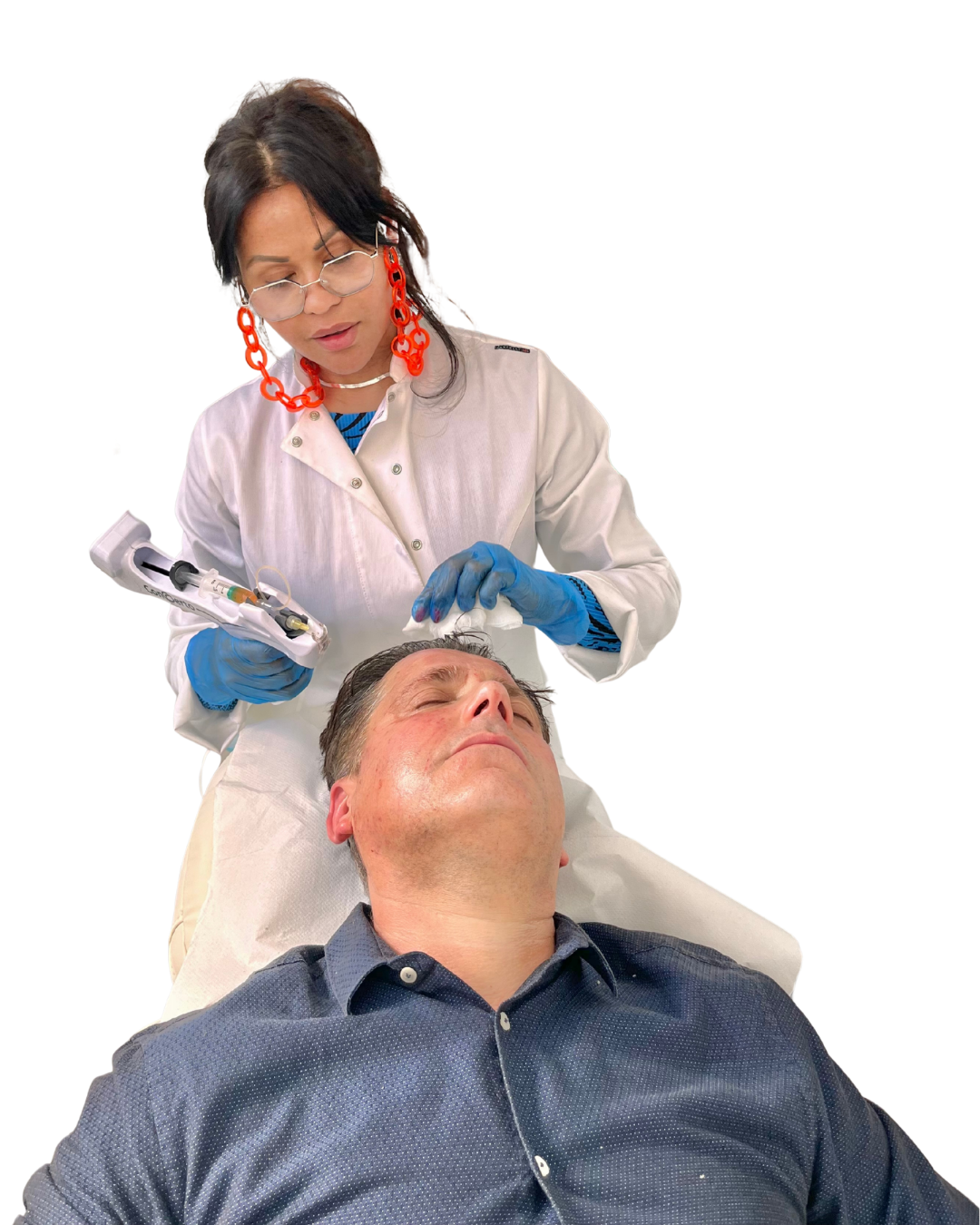
We all know that hair thinning often develops gradually rather than suddenly. For many people in Hertfordshire and Norfolk, the first signs are subtle: reduced density, a widening part, or hair that no longer feels as full. ​ By the time PRP hair restoration enters the picture, most have already encountered a mix of advice, ranging from cosmetic solutions to surgical options. PRP or Platelet-rich Plasma is a non-surgical, regenerative treatment that is typically considered when hair follicles are still present but functioning less effectively. It aims to support scalp health and follicular activity using the body’s own biological processes. As with any medical aesthetic treatment, its role is nuanced, and outcomes can vary. This blog outlines how PRP hair treatment in Hertfordshire is used in clinical practice, who it may be suitable for, and how it fits alongside other hair restoration approaches. The focus is on clear, evidence-informed guidance to help readers consider PRP within a medically led, personalised care pathway. What is PRP hair treatment, and what concerns does it address? At its core, PRP or Platelet Rich Plasma hair treatment is a procedure that uses components of your own blood to support scalp and follicle health. Instead of synthetic substances or surgical transplantation, PRP uses platelets, which play a role in healing and cellular signalling, and concentrates them for reintroduction into specific areas of the scalp. It’s important to be clear about what PRP is designed to address. This treatment is most often explored by individuals experiencing: • Gradual hair thinning rather than complete hair loss • Early to moderate pattern hair loss • Diffuse shedding linked to stress, hormonal changes or ageing • Reduced hair quality or density following medical or lifestyle shifts PRP is not positioned as a universal answer to all forms of hair loss. Instead, it is typically considered when follicles are still present but functioning less effectively than they once did. In such cases, PRP may help create a more supportive environment for hair growth by encouraging healthier follicle activity.